
Green Skills 2026: The Ultimate Career Guide
Green Skills 2026: The Ultimate Career Guide
In 2026, the global job market is undergoing a major “Ecological Pivot.” Digital literacy alone is no longer enough; professionals must now be environmentally fluent. Green Skills—the knowledge, behaviors, and capabilities that support a sustainable, resource-efficient economy—have moved from a niche requirement to a high-demand career necessity. If you want to future-proof your career, understanding and mastering Green Skills is essential. This guide explores the most critical skills for 2026, why they matter, and how you can start learning them today.
As we move deeper into 2026, the professional landscape is undergoing a massive “Ecological Pivot.” It’s no longer enough to be digitally savvy; you must be environmentally fluent. Green Skills have transitioned from a niche requirement in CSR reports to the most sought-after expertise in Green Skills 2026, as the global economy automatically rises.
What are the Actual Green Skills?
Green Skills are the technical knowledge, behaviors, and abilities that enable professionals to develop and support a resource-efficient, sustainable society. Green Skills are the technical expertise, soft skills, and sustainable practices that enable professionals to operate in a resource-efficient, environmentally-conscious economy. These skills are increasingly relevant as companies integrate sustainability with high-tech innovation.
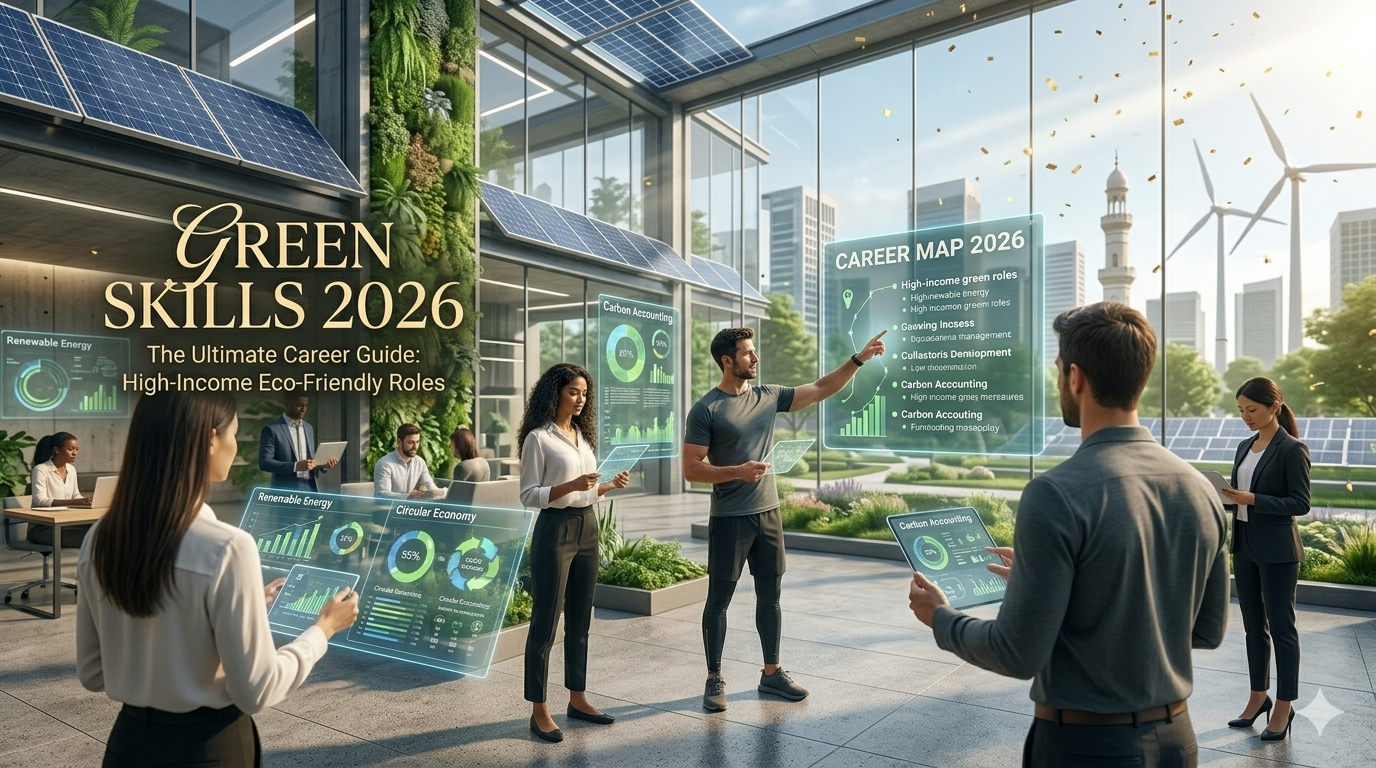
If you want to future-proof your career and stay competitive, it’s essential to invest in learning skills that employers will need for years to come. In this article, we’ll explore the best skills to learn for future job opportunities, why they matter, and how you can start developing them today.
These are the best Green Skills 2026.
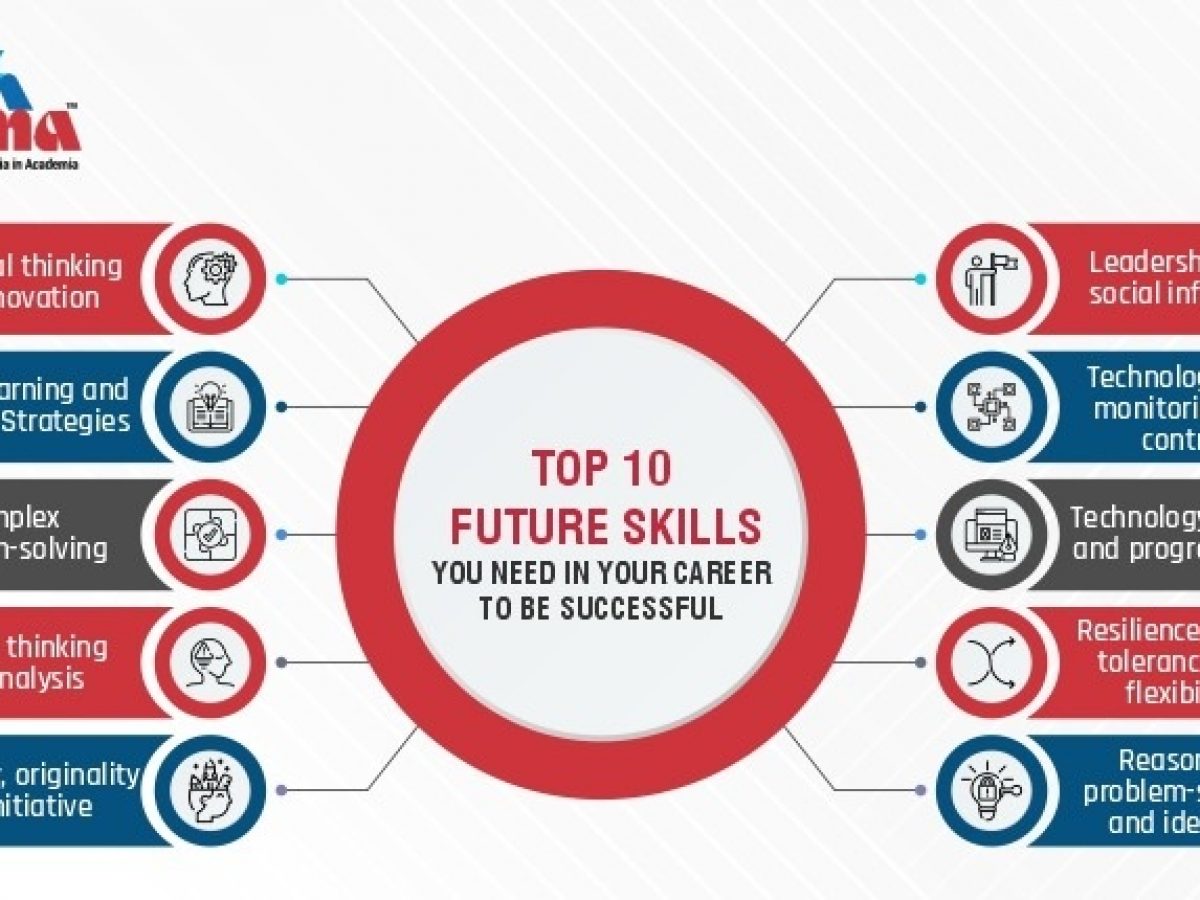
1. Digital Literacy and Tech Savviness
No matter what industry you work in, understanding digital tools and technologies will be essential. From cloud computing to workplace collaboration tools, digital literacy is now a baseline requirement.

Why it matters:
Most jobs now require at least a basic understanding of digital tools. In the future, employees who can adapt quickly to new technologies will be the ones in the highest demand.
Examples of digital literacy skills:
-
Using productivity software like Google Workspace or Microsoft 365
-
Understanding cloud-based storage and data sharing
-
Navigating digital communication platforms (Slack, Zoom, Teams)
-
Staying updated on cybersecurity best practices
2. Data Analysis and Interpretation
We live in a data-driven world. Businesses generate massive amounts of information, but without skilled professionals to analyze and interpret it, the data is useless.

Why it matters:
Employers need people who can turn raw data into actionable insights for decision-making, marketing strategies, and product development.
How to develop it:
-
Learn tools like Excel, SQL, Tableau, or Power BI
-
Take beginner courses in data analytics
-
Practice interpreting datasets and creating reports
3. Artificial Intelligence and Machine Learning
AI and ML are no longer futuristic concepts—they are part of our everyday lives. From recommendation algorithms to chatbots, these technologies are shaping industries.
Why it matters:
According to the World Economic Forum, AI-related skills will be among the most in-demand in the next decade. Companies will need professionals who understand how to design, implement, and manage AI systems.
How to develop it:
-
Take online courses in AI, machine learning, and neural networks
-
Learn programming languages like Python or R
-
Experiment with AI tools such as TensorFlow or PyTorch
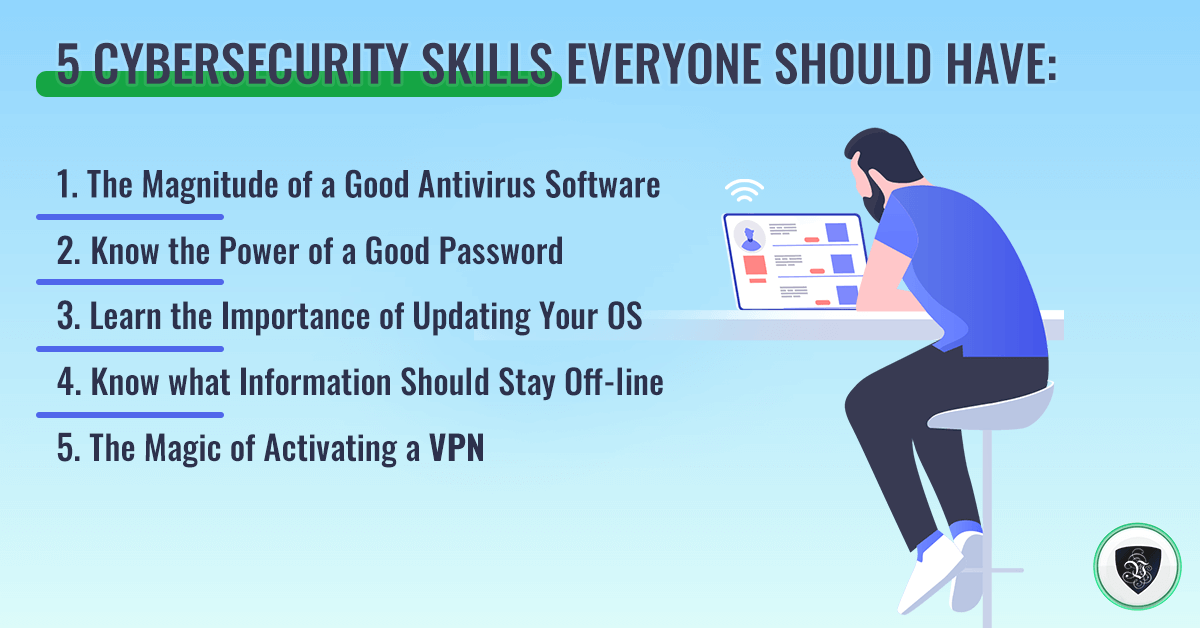
4. Cybersecurity Skills
As technology advances, so do cyber threats. Businesses, governments, and individuals need robust security measures to protect data and systems.
Why it matters:
The demand for cybersecurity professionals continues to grow. Skilled experts can help prevent hacking, identity theft, and data breaches.
How to develop it:
-
Learn about network security, encryption, and ethical hacking
-
Get certificates like CompTIA Security+ or Certified Ethical Hacker (CEH).
-
Stay updated on emerging security threats and solutions
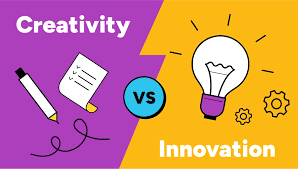
5. Creativity and Innovation
While technology handles repetitive tasks, creativity remains uniquely human. The ability to generate fresh ideas and approach problems differently is highly valuable.
Why it matters:
Creative thinkers can help businesses stand out in competitive markets and adapt to new challenges.
How to develop it:
-
Practice brainstorming and design thinking techniques
-
Engage in creative hobbies like writing, drawing, or music
-
Collaborate with people from different backgrounds
6. Emotional Intelligence (EQ)
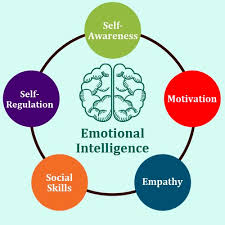
EQ refers to your ability to recognize, understand, and manage emotions—both your own and those of others.
Why it matters:
In leadership, teamwork, and customer service, emotional intelligence often outweighs technical skills. High EQ professionals build better relationships, resolve conflicts, and lead effectively.
How to develop it:
-
Practice active listening
-
Seek feedback and reflect on your interactions
-
Learn empathy and stress management techniques
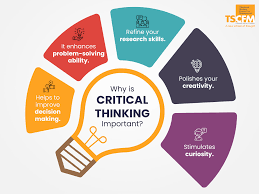
7. Critical Thinking and Problem-Solving
-
Work on case studies and simulations
-
Ask “why” questions to dig deeper into problems
-
Avoid rushing to conclusions without evidence
8. Communication Skills
No matter how skilled you are technically, you must be able to explain ideas clearly.

Why it matters:
Strong written and verbal communication is essential for teamwork, client relations, and leadership.
How to develop it:
-
Practice writing reports, emails, and presentations
-
Improve your public speaking through clubs like Toastmasters
-
Learn how to change the way you communicate for different people.
9. Adaptability and Learning Agility
The ability to quickly adjust to change and learn new skills is more important than ever.
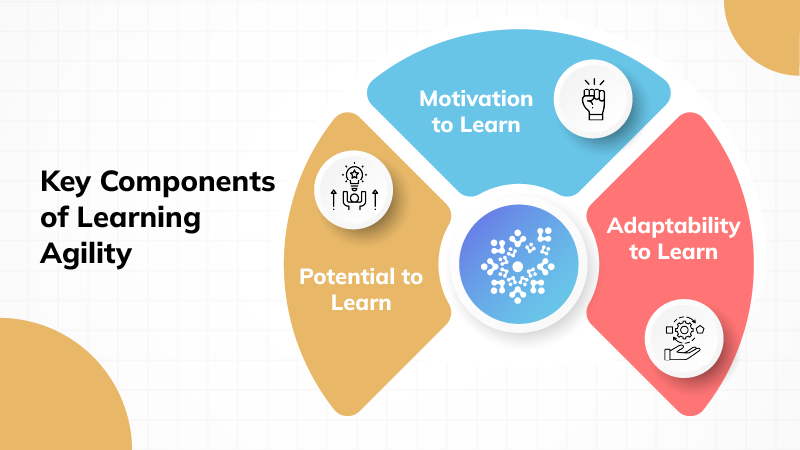
Why it matters:
Industries evolve rapidly, and employees who can pivot and adapt will always be in demand.
How to develop it:
-
Embrace new challenges instead of resisting them
-
Stay curious and open-minded
-
Take on roles outside your comfort zone
10. Green and Sustainable Skills
As climate change becomes a central issue, many industries are shifting toward sustainable practices.

Why it matters:
Companies will increasingly need employees who understand environmental regulations, renewable energy, and sustainable design.
How to develop it:
-
Learn about green energy technologies
-
Study sustainable business models
-
Get involved in environmental projects
11. Project Management
Coordinating people, resources, and timelines is essential in almost every field.

Coordinating teams and resources efficiently is critical across industries.
Why it matters:
- Strong project managers ensure goals are met on time and budgets are respected.
How to develop it:
- Tools: Trello, Asana, Jira
- Certifications: PMP, PRINCE2
- Practice leading small projects
12. Foreign Language Skills
Globalization has connected businesses across borders, making multilingual professionals valuable.

Globalization rewards multilingual professionals.
Why it matters:
- Speaking another language opens international opportunities and collaboration.
How to develop it:
- Apps: Duolingo, Babbel
- Online courses or community college classes
- Practice with native speakers
13. Blockchain and Web3 Knowledge
Blockchain isn’t just about cryptocurrency—it’s about secure, transparent transactions across many industries.
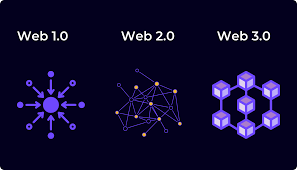
Blockchain is not just for crypto; it enables secure, transparent transactions across sectors.
Why it matters:
- Industries like finance, healthcare, and logistics are adopting blockchain solutions.
How to develop it:
- Learn blockchain fundamentals
- Develop smart contracts
- Explore decentralized apps (dApps)
Conclusion
The most future-proof skills blend technical expertise (AI, data, cybersecurity) with human-centric abilities (EQ, creativity, adaptability). Professionals who invest in learning today will thrive in the green, tech-driven economy of 2026 and beyond. The best skills to learn for future job opportunities combine both technical and human-focused abilities. While technology-related skills like AI, data analysis, and cybersecurity are growing rapidly, soft skills such as emotional intelligence, adaptability, and creativity remain equally important.
Investing in learning now will help you stay ahead in the job market. Remember, the most future-proof professionals are lifelong learners who embrace change and seek out new challenges.
Frequently Asked Questions (FAQs)
Q1: Which tech skill will be most in demand in the next decade?
AI and Machine Learning. Professionals who can implement, manage, and optimize AI systems will be highly sought after.
Q2: Can soft skills alone secure a high-paying job?
Soft skills like EQ and creativity are essential, but most high-paying roles require a combination of soft skills and at least basic digital literacy.
Q3: Why is data analysis important for non-tech roles?
Data-driven insights guide business decisions, even in marketing, HR, or operations, making analytical skills valuable across industries.
Q4: How can I start learning Green Skills for free?
Platforms like YouTube, Coursera, and Duolingo offer free courses. Practice tools like Excel, Python, and cloud software to build hands-on experience.
Q5: What are Green Skills and why do they matter?
Green Skills involve knowledge of sustainability, renewable energy, and eco-friendly business practices. They are crucial as companies shift to sustainable models and reduce carbon footprints.


7 Comments