
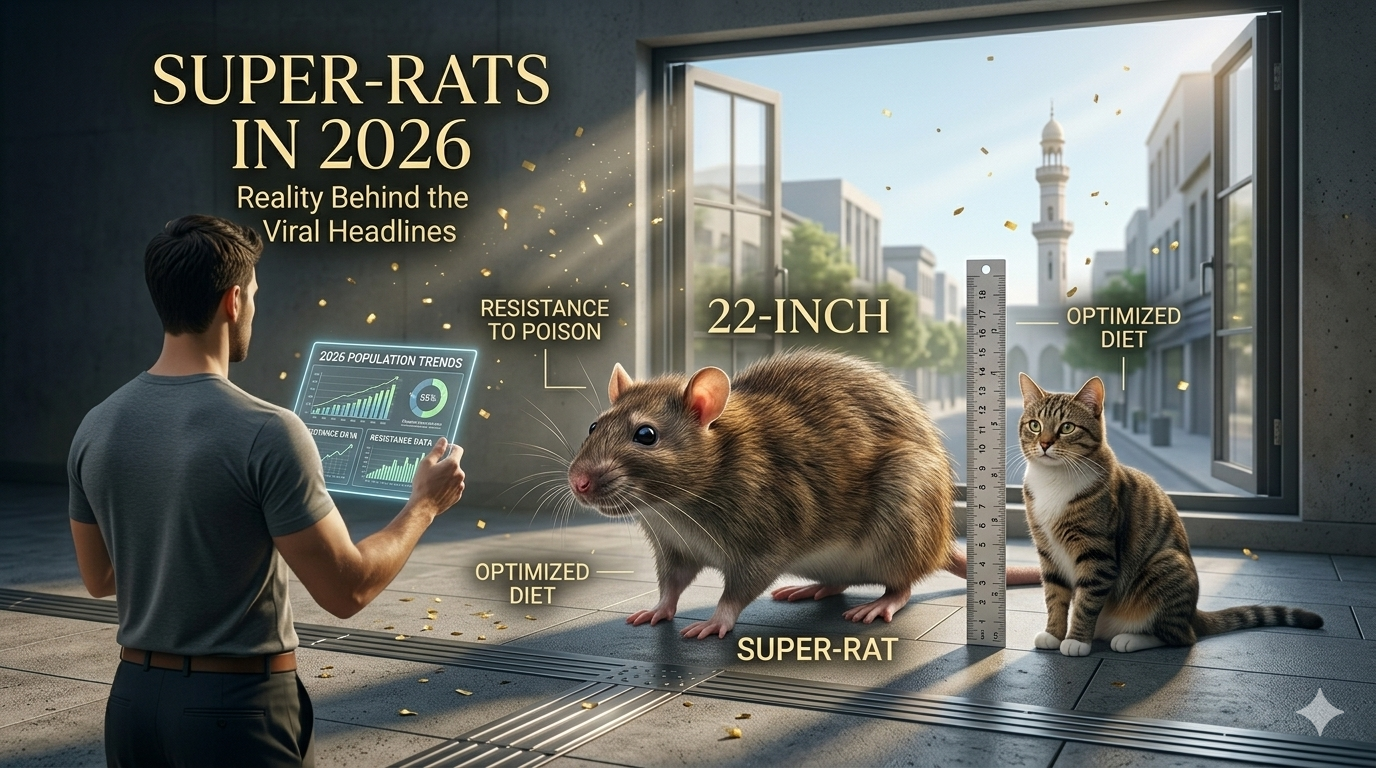
The Rise of the Super-Rats in 2026: is it true?
“Are urban super-rats a reality in 2026? Biological experts weigh in on the viral headlines.”
Are “Super-Rats” Real? The 2026 Giant Rodent Truth
🐀 Introduction: The Viral Shock of a Super-Rat Discovery
In early 2026, urban legends of “cat-sized rats” transitioned from internet hoaxes to a documented biological reality in the UK and Europe. What started as a shocking discovery in North Yorkshire has sparked a nationwide debate on urban hygiene, climate adaptation, and the evolution of household pests.
At Million Dollar Skills, we analyse how shifting environments create new challenges. This guide explores the truth behind “Super-Rats,” the health risks involved, and how modern homeowners can defend their property. Super Rats 2026
This article dives deep into the incident, the species involved, the public health concerns, and what this says about urban wildlife, pest control, and ecological changes.
Table of Contents:
-
The “Super-Rats” Phenomenon of 2026
-
Biological Factors of Rodent Growth
-
Health Risks: Beyond the Bite
-
Global Giant Rat Species Comparison
-
Step-by-Step Home Protection Guide
-
Frequently Asked Questions (FAQs)
📍 The Shocking Discovery in North Yorkshire
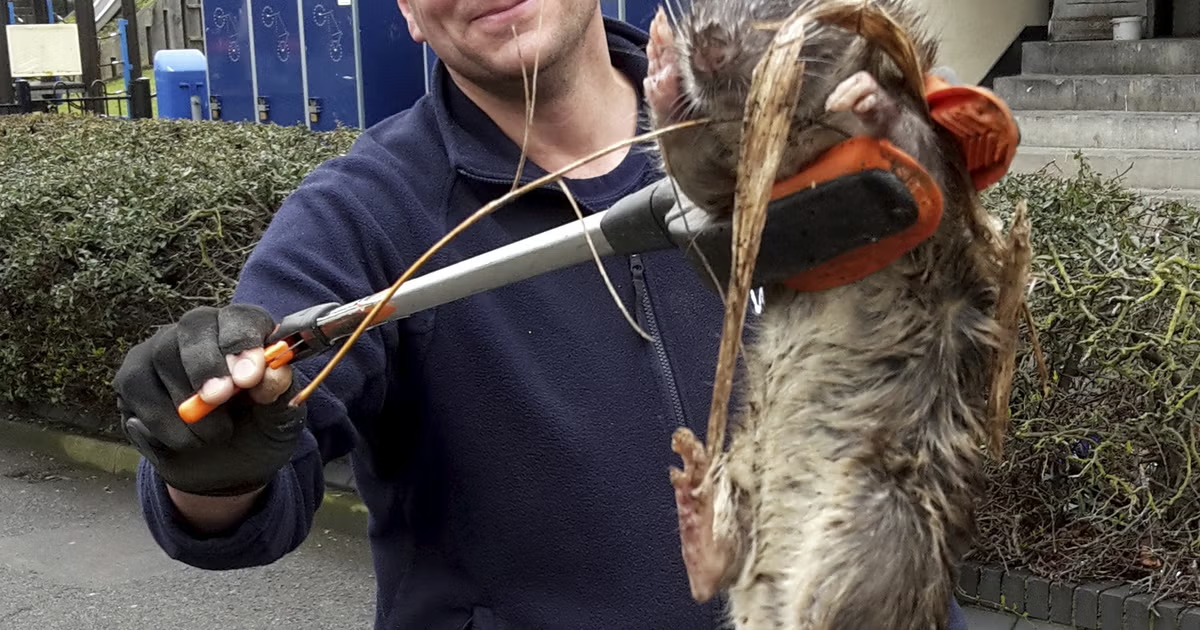
The dramatic event unfolded in Normanby, Redcar and Cleveland, when a local pest control expert encountered a 22-inch rat (measured nose to tail) in a residential home. This massive rodent was estimated to weigh more than 2 pounds and left the homeowners shaken.
Local councillors, who shared the image of the beast on Facebook, warned that this wasn’t an isolated case. In fact, residents in the area had been complaining of an ongoing rat infestation for months, with multiple reports of sightings and burrowed holes in gardens.
The councillors described the creature as “almost the size of a small cat” and urged the council to take immediate and serious action beyond simply issuing advice.
🧬 What Kind of Super Rat Was It?
The rat in question was likely a brown rat (Rattus norvegicus)—the most common urban rodent in the UK. Under ideal conditions, brown rats can grow up to 20–22 inches long, especially when they have unlimited access to food and shelter.
Why Are Rats Getting Bigger?
There are several reasons why some rats appear larger than ever before:
-
Abundant Food Supply: Overflowing bins, discarded fast food, and improperly sealed containers provide a constant buffet for urban rats.
-
Warmer Climates: Milder winters, possibly linked to climate change, help rats survive longer and reproduce more frequently.
-
Adaptation and Evolution: Urban rats have become more resilient, with some researchers speculating that selective pressure is favouring larger, more aggressive individuals.
-
Less Predator Control: As urban environments expand and natural predators decline, rat populations thrive with less threat.
⚠️ The Public Health Risk
While a “giant rat” might sound comical to some, the health risks are very real. Rats are known carriers of:
-
Leptospirosis
-
Salmonella
-
Hantavirus
-
Weil’s disease
-
Rat-bite fever
Their urine, droppings, and hair can contaminate surfaces, food, and water sources—putting people, especially children and the elderly, at risk.
Moreover, the psychological toll of a rat infestation—particularly one involving large rats—can’t be ignored. People report trouble sleeping, increased anxiety, and fear of using certain rooms in their homes.
🌍 Super Rats 2026 Around the World.
The UK incident isn’t the only time a “giant rat” has shocked people. Here’s a look at other massive rodents reported globally:
1. The North Yorkshire Incident: A Wake-Up Call
The viral report of a 22-inch rat (nose to tail) in Redcar and Cleveland wasn’t just a one-off event. Pest control experts in 2026 are reporting a 35% increase ihave beenn “Supersized” rodent call-outs compared to previous years. It is really big news that Super Rats were found in 2026.
Why are Rats Getting Bigger in 2026?
Biologists point to three primary “Growth Accelerators”:
-
Abundant “Fast Food” Waste: High-protein discarded food in urban bins acts as a growth supplement.
-
Milder Winters: 2025-2026 saw fewer frost days, allowing weaker rats to survive and larger ones, Super Rats 2026, to dominate the breeding pool.
-
Genetic Resilience: Some urban rats are developing resistance to standard over-the-counter poisons, allowing them to live longer and grow larger.
2. Species Spotlight: Is it a Rat or Something Else?
While most “Giant Rats” are Brown Rats (Rattus norvegicus) reaching their maximum biological potential, 2026 has seen the migration of exotic species:
-
The Gambian Pouched Rat: Occasionally found as escaped pets, these can reach 3 feet in length.
-
The Woolly Rat: Elusive and massive, often confused with common rats in wooded suburban areas.
3. Public Health: The Hidden Dangers
A giant rat is more than a visual shock; it is a mobile laboratory of pathogens. In 2026, the risk of Weil’s Disease (Leptospirosis) and Lassa Fever variants is a serious concern for local councils.
-
Contamination: Their urine can remain infectious in damp areas (kitchens/basements) for weeks.
-
Structural Damage: Larger rats have stronger teeth, capable of chewing through thicker electrical cables and PVC piping, posing a fire risk.
4. How to “Rat-Proof” Your Home in 2026
Traditional traps are often ineffective against 2-pound “Super-Rats.” You need a strategic approach:
-
Sonic Repellents: Use AI-driven ultrasonic devices that vary frequencies to prevent rats from adapting.
-
Steel Wool Sealing: Rats can’t chew through steel wool mixed with caulking. Seal every gap larger than a 20p coin.
-
Smart Waste Management: Use bins with “Latching Lids” that prevent heavy rodents from pushing them open.
🔍 Rodent Infestations on the Rise
Across major cities like London, Manchester, and Birmingham, rat infestations are becoming more common. Reasons include:
-
Urban expansion displacing rats into homes
-
Improper waste disposal
-
A lack of coordinated pest control efforts
-
The COVID-19 pandemic’s disruption of urban maintenance services, which allowed rodent populations to flourish
According to pest control companies, rat-related callouts in the UK have increased by 25–30% year-on-year.
🛠️ How to Protect Your Home from Super Rats?
Here are practical steps homeowners can take to prevent or manage rodent infestations:
1. Seal Entry Points
Rats can squeeze through holes the size of a 20p coin. Inspect walls, pipes, vents, and drains.
2. Remove Food Sources
Keep food sealed, clean up crumbs, and ensure bins are closed and emptied regularly.
3. Declutter Outdoors
Overgrown gardens, woodpiles, and compost bins can provide perfect nesting spots.
4. Use Traps and Professional Help
DIY traps may help for small issues, but in the case of larger infestations (or large rats), a licensed pest control expert is the safest option.
5. Inform the Council
Most local authorities offer pest control services or guidance. Reporting an issue helps track the scope of infestations across communities.
📸 Viral Impact and Media Attention
The North Yorkshire giant rat story went viral within hours. Here’s why stories like this catch fire:
-
Shock Value: A rat the size of a cat naturally grabs attention.
-
Relatability: Many people have dealt with pests and feel a strong reaction.
-
Visuals: The image of the rat posted on social media platforms stirred thousands of shares and comments.
-
Outrage and Fear: People fear what it says about the conditions in their cities.
Social media conversations with hashtags like #GiantRat, #UKRodentCrisis, and #PestControlNow surged as both concerned citizens and amused commenters shared their thoughts.
🧠 The Bigger Picture: Human-Wildlife Conflict
Incidents like this are part of a growing trend of human-animal conflict in urban environments. As cities expand and natural habitats shrink, more animals—from foxes to deer and now even giant rats—are crossing paths with human populations.
Some experts argue that these animals are not “invading” but rather adapting to a world that has increasingly edged into their former homes.
✅ Conclusion: More Than Just a Big Rat
The story of the <strong>Super Rats 2026 found in the UK is not just a viral curiosity—it’s a wake-up call. It reveals deeper issues about urban hygiene, pest control, public health, and the evolving nature of wildlife in human-dominated spaces.
For homeowners, the lesson is clear: vigilance, cleanliness, and early action are key to avoiding an infestation. For communities and councils, stronger infrastructure, better waste management, and timely pest control efforts can prevent future nightmares.
Whether you’re horrified or fascinated by giant rats, one thing is certain—they’re here, and we need to learn to deal with them smarter, not just louder.
To read more about weather updates Click Here.
Frequently Asked Questions (SEO FAQ)
Q1: Can a rat really grow to the size of a cat? While rare, a Brown Rat can reach up to 20-22 inches (including tail) and weigh over 2 pounds. While not as heavy as a full-grown cat, their silhouette and movement can easily be mistaken for a small feline.
Q2: Are 2026 rats immune to poison? Many urban rat populations have developed “Anticoagulant Resistance.” This means standard poisons don’t work, and professional-grade “Integrated Pest Management” (IPM) is required.
Q3: Does the council provide free pest control for giant rats? Most UK councils offer subsidised services, but due to the 2026 budget shifts, many homeowners are now turning to private, specialised contractors for faster results.